
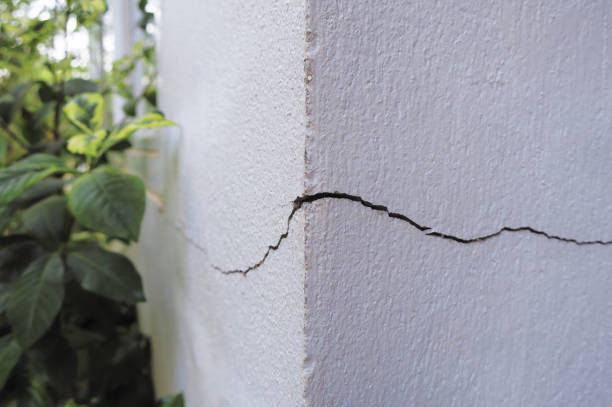
Common Causes of Concrete Cracking Explained in Gainesville, FL and Surrounding Areas
Concrete is known for its strength and durability, but it is not immune to cracking over time. Various environmental, structural, and installation-related factors can lead to cracks that affect both appearance and performance. Understanding the common causes of concrete cracking helps property owners take preventive measures and maintain long-lasting, stable surfaces.
Why does concrete crack over time?
Concrete naturally expands and contracts due to temperature changes and moisture levels. Over time, this movement creates stress within the material, leading to cracks. Even well-installed concrete can develop minor cracks as part of the aging process. Proper design and maintenance can help minimize these effects.
How does poor installation lead to cracking?
Improper mixing, inadequate curing, or weak subgrade preparation can cause concrete to crack prematurely. If the base is not compacted properly, the concrete may settle unevenly. This creates stress points that eventually lead to visible cracks. Skilled installation is essential to ensure long-term durability.
What role does weather play in concrete cracking?
Weather conditions such as extreme heat, heavy rain, and rapid temperature changes can weaken concrete. Heat causes expansion, while cooler temperatures lead to contraction, creating stress within the surface. Repeated cycles of this process increase the likelihood of cracking over time.
Can excess water in the mix cause cracks?
Yes, adding too much water to the concrete mix weakens its structure. While it may make the mix easier to work with, it reduces overall strength and durability. As the concrete dries, excess water evaporates, leaving behind voids that contribute to cracking.
How does soil movement affect concrete surfaces?
Soil beneath concrete can shift due to moisture changes, erosion, or poor compaction. When the ground moves, it creates uneven support for the concrete slab. This leads to stress and eventually cracks as the surface adjusts to the shifting base.
What is shrinkage cracking in concrete?
Shrinkage cracking occurs as concrete loses moisture during the curing process. As it dries, the material contracts, which can create small cracks on the surface. These cracks are common but can worsen if not properly managed with control joints and curing techniques.
How do heavy loads contribute to concrete damage?
Concrete surfaces that excessive weight can develop cracks due to stress beyond their capacity. Driveways, walkways, and commercial areas often face heavy loads that accelerate wear and tear. Reinforcement and proper thickness help reduce this risk.
Can tree roots cause concrete to crack?
Yes, tree roots can grow beneath concrete surfaces and exert upward pressure. As roots expand, they can lift and crack the concrete. This is a common issue in landscaped areas where trees are planted too close to paved surfaces.
What impact do chemicals and de-icers have on concrete?
Chemicals and de-icing agents can weaken concrete by breaking down its surface over time. These substances penetrate the material and cause deterioration, making it more prone to cracking. Using safe alternatives can help protect your concrete.
How can concrete cracking be prevented?
Preventing cracks involves proper installation, quality materials, and regular maintenance. Ensuring good drainage, controlling moisture levels, and sealing the surface can significantly reduce damage. Routine inspections help identify and address small issues before they worsen.
Final Thought
Concrete cracking is often the result of multiple factors working together over time. By understanding these common causes, property owners can take proactive steps to protect their surfaces and extend their lifespan. Investing in proper installation and maintenance ensures stronger, more durable concrete for years to come.
Are all concrete cracks a serious problem?
Not all cracks are structural, but they should still be monitored to prevent further damage.
How soon can cracks appear after installation?
Cracks can appear within days due to shrinkage or may develop over time environmental factors.
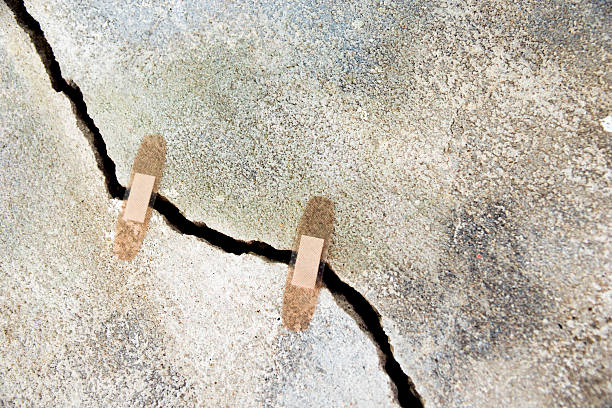
Can cracked concrete be repaired?
Yes, most cracks can be repaired using fillers, sealants, or professional repair methods.
Does sealing concrete prevent cracking?
Sealing helps protect against moisture and chemicals, reducing the chances of cracks forming.
When should I call a professional for concrete cracks?
If cracks are large, spreading, or causing uneven surfaces, professional assessment is recommended.