
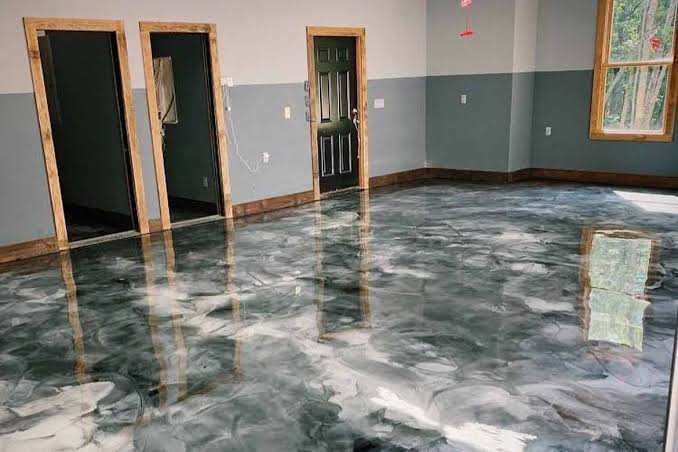
Advantages of Epoxy Over Granite for Countertops in St. Johns, FL & Surrounding Areas
Choosing the right countertop material can make a major difference in the appearance, maintenance, and overall feel of a kitchen or bathroom. While granite remains a popular natural-stone option, epoxy countertops offer homeowners in St. Johns, FL, a flexible alternative with extensive customization possibilities. Epoxy can be applied over suitable existing surfaces, creating a seamless, glossy finish with a wide range of colors and patterns.
Why Should St. Johns, FL Homeowners Consider Epoxy Countertops?
Epoxy countertops can be an attractive choice for homeowners who want to refresh an existing countertop without completely replacing the underlying surface. Epoxy is non-porous and can provide a smooth surface that is relatively easy to clean. It also allows homeowners to create decorative finishes that resemble granite, marble, or other materials while offering greater freedom in colors and patterns.
Is Epoxy More Customizable Than Granite?
Yes, customization is one of the biggest advantages of epoxy. Granite has naturally occurring colors, patterns, and veining, so homeowners must select from the slabs available. Epoxy, on the other hand, can be designed with different pigments, metallic effects, colors, patterns, and decorative veining. This makes it easier to create a countertop that matches a particular kitchen style.
Can Epoxy Countertops Provide a Granite-Like Appearance?
Epoxy can be designed to imitate the appearance of granite and other natural stones. Homeowners in St. Johns can choose layered colors and veining to create a sophisticated stone-inspired finish without installing a granite slab. However, epoxy remains a manufactured surface and will not have exactly the same natural characteristics as genuine granite.
Is Epoxy More Affordable Than Granite?
Cost can be another reason homeowners consider epoxy. Current cost guides generally place professionally installed epoxy below many granite installations, although the actual price depends on countertop size, preparation, materials, design complexity, and labor. DIY epoxy kits can have a lower upfront material cost, but achieving a professional finish requires careful preparation and application.
Does Epoxy Make Kitchen Remodeling Easier?
Epoxy can sometimes be applied over an existing countertop rather than requiring the complete removal and replacement associated with a new stone slab. This can make it useful for remodeling projects where homeowners want to update the appearance of their kitchen while retaining a suitable existing base. Proper preparation is essential for good adhesion and a smooth finish.
How Easy Are Epoxy Countertops to Maintain?
Epoxy creates a non-porous surface, which helps resist moisture penetration and makes everyday cleaning relatively straightforward. Mild soap, water, and a soft cloth are generally appropriate for routine cleaning. Homeowners should still clean spills promptly and follow the manufacturer's care recommendations to protect the finish.
Are Epoxy Countertops Suitable for Busy Kitchens?
Epoxy can work well in kitchens when homeowners understand its limitations. It provides a durable finished surface, but it is not completely scratch- or heat-proof. Knives, abrasive objects, and very hot cookware can damage the finish. Using cutting boards and trivets can help protect an epoxy countertop from everyday wear.
How Does Epoxy Compare With Granite for Heat Resistance?
Granite has a significant advantage when it comes to direct heat exposure. Epoxy is heat-resistant to a degree, but extremely hot pots and pans can damage, soften, discolor, or scorch the resin depending on the formulation. For this reason, St. Johns homeowners choosing epoxy should consistently use heat-resistant trivets or pads.
Can Epoxy Countertops Be a Good Choice in Fruit Cove and Jacksonville?
Epoxy may be suitable for homes throughout St. Johns County and nearby communities when the product is selected and installed correctly. Homeowners in Fruit Cove, Jacksonville, Ponte Vedra Beach, Nocatee, Julington Creek, and Switzerland can consider epoxy when they want a highly customized countertop renovation. For areas exposed to strong sunlight, selecting a suitable UV-resistant formulation and following professional installation recommendations can be particularly important because some epoxy products can yellow with prolonged UV exposure.
Why Choose Epoxy Countertops in St. Johns, FL & Surrounding Areas?
Epoxy offers several appealing benefits, including design flexibility, a seamless appearance, the ability to refinish suitable existing countertops, and relatively simple routine cleaning. These features can make it an appealing option for homeowners in St. Johns, Fruit Cove, Jacksonville, Ponte Vedra, Ponte Vedra Beach, Nocatee, Julington Creek, and Switzerland who want a customized countertop renovation.
Final Thoughts
Epoxy and granite each have their strengths. Granite generally offers superior long-term durability, natural-stone character, heat resistance, and resale appeal, while epoxy stands out for customization and its ability to transform an existing countertop. For St. Johns homeowners, the best choice ultimately depends on budget, design goals, expected use, and how much maintenance and protection the countertop will receive.

Is epoxy better than granite for every kitchen?
No. Epoxy is attractive for customization and refinishing, while granite is generally stronger and more resistant to heat and scratches.
Can epoxy countertops look like natural granite?
Yes. Epoxy can be customized with colors, patterns, metallic effects, and veining designed to resemble granite and other natural stones.
Do epoxy countertops require sealing?
Epoxy itself forms a non-porous surface, so it does not require the same type of periodic stone sealing associated with many granite countertops.
How long can epoxy countertops last?
Lifespan varies based on product quality, installation, usage, and maintenance. Current sources commonly cite around 10 years as an average, with some products lasting considerably longer when properly maintained.
Should hot pans be placed directly on epoxy?
No. Always use a trivet or heat-resistant pad to reduce the risk of heat damage.